
Yellow God of Wealth Jewelry: Fortune and Luck

0

Yellow God of Wealth Jewelry: Fortune and Luck

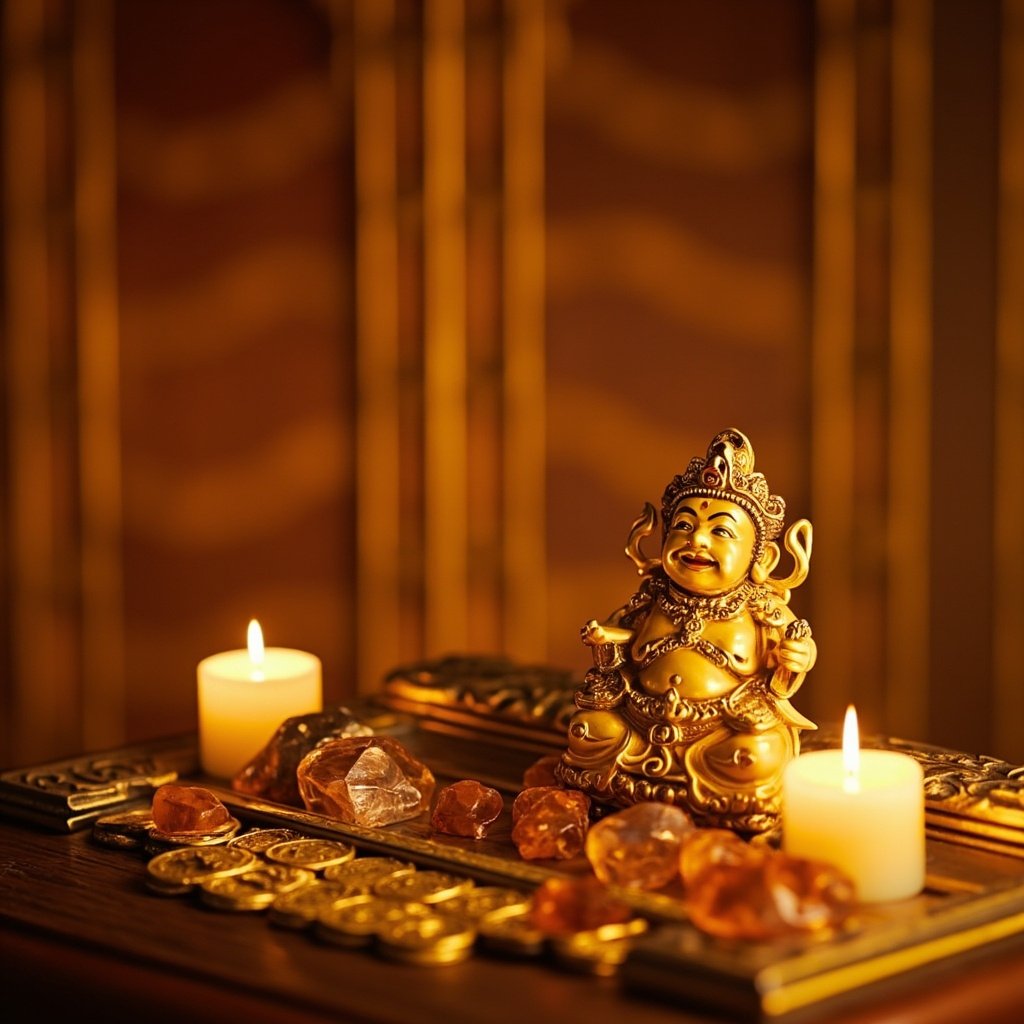
In the shops of Southeast Asia and the Chinese diaspora, one figure appears behind almost every counter: a stout, smiling deity with a golden complexion, seated with one foot forward and a small mongoose in one hand. He is the Yellow God of Wealth, known in the older Sanskrit tradition as Yellow Jambhala, and he is probably the most widely placed prosperity figure in the world. Visitors often ask me how he differs from the household gods kept in the entrance hall. The answer is a matter of lineage, and it is worth knowing before you buy jewellery carrying his image.

Who Is the Yellow God of Wealth?

Yellow Jambhala belongs to the older Buddhist stream of practice, where he is understood as a manifestation of abundance rather than a folk mascot. His yellow, or golden, colour connects him to the earth element and to the wealth that grows out of the ground: harvest, property, and steady accumulation rather than sudden windfalls. In the devotional tradition he is not approached for instant riches. He is honoured as a keeper of resources, invoked when a household or a business needs stability, and asked to remove the conditions that produce poverty, among them debt, carelessness, and the quiet scarcity of opportunity.

That emphasis is easy to miss in a marketplace full of golden ornaments. The figure is not a slot machine. He is a representation of sufficiency, of the state in which a person has enough and knows what to do with it, and the whole practice around him is built on that reading.

Yellow Jambhala and the Five Directional Wealth Gods

Chinese popular religion honours a group commonly called the Five Directional Wealth Gods, or the Five Lords of Wealth, each associated with a compass direction and with a particular kind of prosperity. That group is a later, distinctly Chinese, folk arrangement, tied to directions, festival calendars, and the burning of paper offerings. Yellow Jambhala sits in a different tradition. He is one figure rather than a committee, and his emphasis is on steady abundance cultivated over time rather than on directional luck.

The distinction matters because the observances differ. The five directional lords are honoured with incense and the customs of local festival days, and each is addressed according to the direction he governs. Yellow Jambhala is approached more quietly, with a clean space, a simple water offering, and a stated intention. Neither practice is superior. They are simply two different inheritances, and a buyer who understands the difference will choose the right image for the right purpose.

What He Holds, and What Each Object Means

The iconography is not decoration, and each object carries a reading:

  • The mongoose, traditionally understood to spit out jewels, represents wealth drawn from the earth and released into your hands.
  • A lemon or round fruit in some depictions stands for abundance that ripens in its own season.
  • The small sack or bundled cloth, for resources held in reserve against lean months.
  • The right foot forward, for readiness, the posture of a figure who is not sitting still.
  • The crown and jewelled ornaments, for the idea that generosity is a royal virtue rather than a weakness.

Wearing and Offering Etiquette

A few simple rules keep the practice respectful and the object in good condition:

  1. Wear the image upright and close to the heart, on a chain or a cord that suits your daily life.
  2. Keep the piece clean. Wash it gently, dry it fully, and store it apart from harder metals that would scratch the surface.
  3. Remove it for bathing and for heavy work, and set it in the same clean place each night.
  4. Before wearing it for the first time, state your intention plainly: what you are building, and for whom.
  5. If you keep a figure at home, keep its shelf clean, offer fresh water weekly, and never place it below a toilet or a shoe rack.
  6. Do not make promises you do not intend to keep. The practice is about attention, and careless vows cheapen it.

Where to Keep a Wealth God at Home

When a figure or a pendant lives in a house, position does more work than size. The wealth corner of the bagua is the common recommendation, and it should be a place that is dry, uncluttered, and never used for storing broken or discarded things. Keep the figure at eye level rather than on the floor, facing into the room rather than toward a wall, and away from the kitchen and bathroom, which are read as draining areas. If you wear the image instead, carry it in a pocket or at the chest, where it is handled and remembered. In warehouses and small shops, a modest wealth shrine near the loading door is a familiar modern compromise, kept tidy, lit, and free of clutter.

Fortune Meets Effort

I have been asked many times whether wearing the God of Wealth brings money. My answer is always the same. He is not a machine, and the tradition does not treat him as one. What the practice offers is a daily reminder that prosperity is built through attention, honest dealing, and the refusal to let resources drift away unhandled. The figure concentrates that intention into something you can see and touch every morning. What happens after that is still your work, and the tradition has never pretended otherwise.

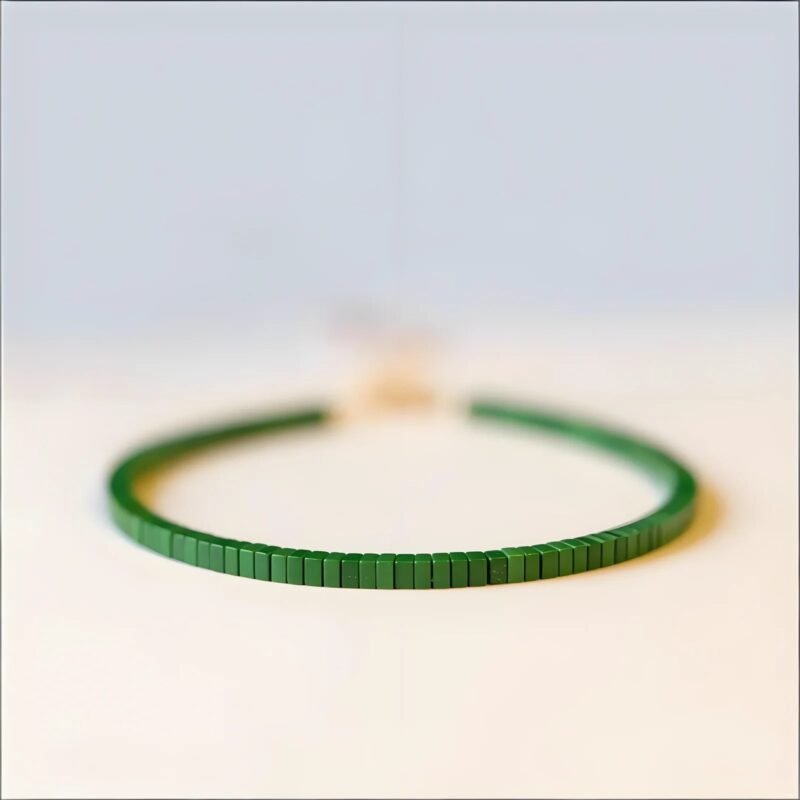
If you want that reminder close to hand, the Consecrated Yellow God of Wealth Jewelry, prepared for a fortune and luck boost, offered at $72.60 USD, is consecrated before it leaves the altar and light enough to wear every day. It is not a promise of money. It is a companion for the work of earning it.