Feng Shui Living Room: Create a Center of Family Harmony and Welcoming Energy
In traditional Chinese metaphysics, the living room is the heart of the home — the space where family gathers, guests are welcomed, and the daily rhythm of a household unfolds. While the front door governs the first impression of chi, the living room is where that vital energy is received, held, and shared. A well-balanced living room feels warm, spacious, and magnetic; a living room with scattered or heavy furniture can leave a household feeling disconnected and lethargic. In this guide, we walk through the core principles of living room feng shui — from commanding-position seating to bagua corner activations — so you can turn your family room into a true center of harmony, prosperity, and welcome.
Why the Living Room Matters in Feng Shui
Feng shui treats every home as a living energy system in which the movement of chi (or qi) mirrors the health of the people who dwell there. The living room occupies a special role because it is the most public and most social space in the household. According to classical practice, this is where family ties are strengthened and where the character of the home is most visible to visitors. If the living room feels cluttered, cramped, or dominated by sharp corners, the energy of the entire household can feel the same way. When we design a living room with intention, we give the family a physical anchor for conversation, relaxation, and celebration.
The goal is not to follow rigid rules, but to create a space that feels balanced. When walking into a harmonized living room, most people report an immediate sense of ease — lighter shoulders, deeper breath, and a natural pull toward the seating. That is good feng shui working quietly in the background.
The Command Position: Where to Place Your Main Seating
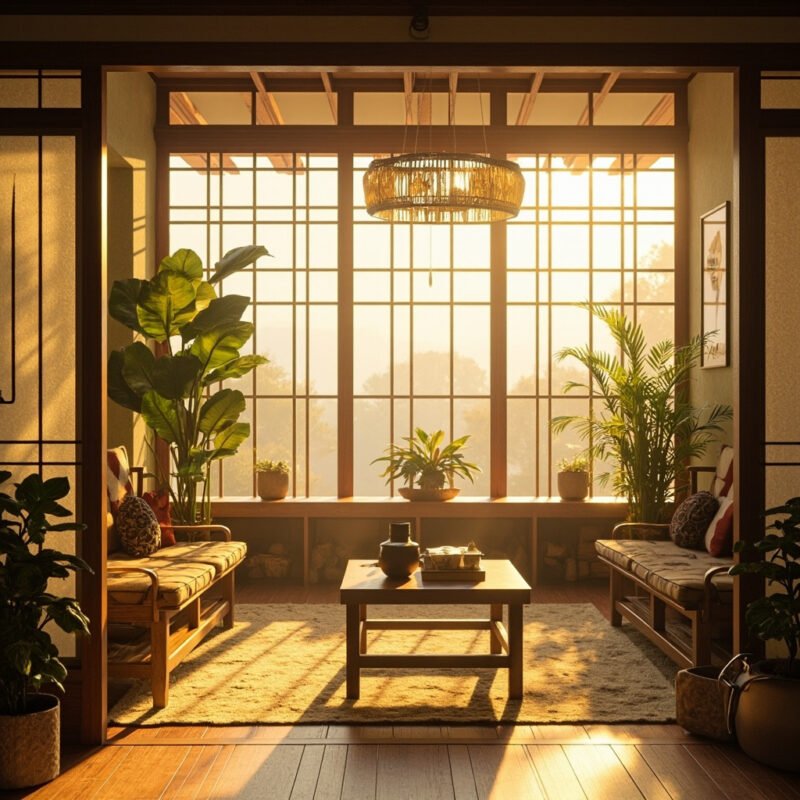
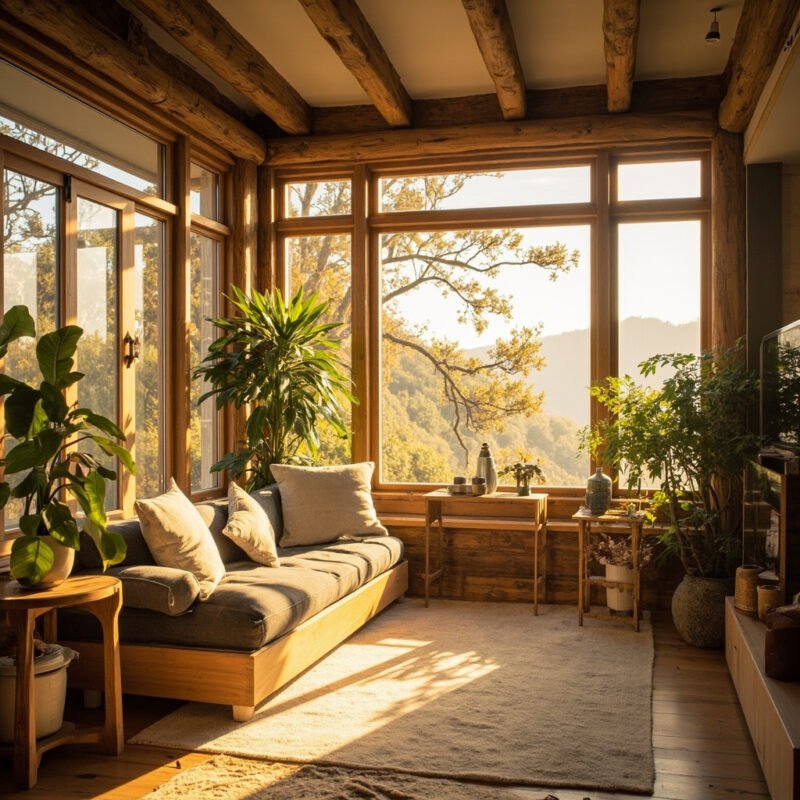
The single most important feng shui guideline in any living room is the commanding position. The main sofa, armchair, or loveseat should face the primary entrance to the room while remaining out of direct line with the door. In other words, you want to see who enters without being pinned in a straight line against them.
- Place the largest sofa against a solid wall — a sturdy back gives occupants both literal and energetic support.
- Avoid backs to windows and doors — sitting with the back to an opening creates subconscious vulnerability and fragmented attention.
- Keep doorways clear — do not block the entrance with furniture, as obstacles to the door obstruct the flow of incoming chi.
- Create a clear central pathway — leave an open, unobstructed route between the room’s entrance and its seating area.
The Five Elements in Living Room Design
Balancing the five elements — Wood, Fire, Earth, Metal, and Water — keeps a room’s energy dynamic without tipping into chaos. A simple way to bring all five into your living room:
- Wood — living plants, green accents, wooden furniture and shelving for growth and vitality.
- Fire — a fireplace, candles, warm lighting, and red or orange cushions for passion and connection.
- Earth — ceramics, pottery, earthy tones, and square shapes for stability and groundedness.
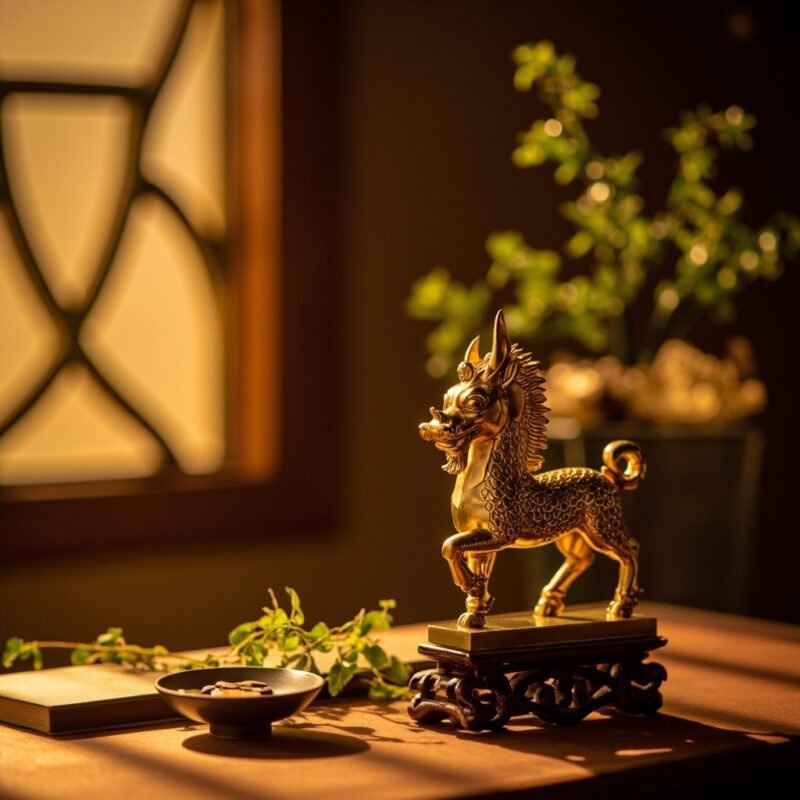
- Metal — brass, bronze, or silver decor and white or gray accents for clarity and precision.
- Water — a small tabletop fountain, dark blue accents, or reflective surfaces for flow and abundance.
Clearing Clutter and Managing Sharp Corners
Clutter is the single fastest way to stagnate chi. In the living room, piles of mail, tangled cables, and overstuffed shelves block the energy from circulating and subtly drain the household’s sense of order. Adopt a one-touch rule: every item that enters the room needs a clear home, and any object that no longer serves the family should be released. For active households, a few attractive closed baskets or cabinets can keep everyday items out of sight while preserving an open, breathable layout.
Equally important are sha chi, the harsh, cutting energy emitted by sharp corners and exposed edges. Bookshelves, media consoles, and coffee tables with protruding corners can shoot invisible “arrows” toward people as they sit. Neutralize these with rounded decor, trailing plants, or soft throws placed at the points. If a corner points directly at a favorite chair, drape a leafy plant or place a small crystal between the edge and the seat to soften the angle.
Lighting, Mirrors, and the Flow of Chi
Light governs mood and energy in equal measure. In feng shui, bright, layered lighting is preferred over a single harsh overhead source. Combine ambient ceiling light with floor lamps, table lamps, and candles to create pools of warm light that invite people to settle in. Natural light from windows is the most precious resource — keep curtains light and unobstructed so daytime sunlight can sweep through the room.
Mirrors are powerful tools in the living room because they can double beauty and reflect beneficial views. Hang a mirror so that it reflects something pleasing — a plant, a piece of art, or a window with a view — and never place one opposite the front door, which traditions say can push good luck back out of the house. A well-placed mirror can make a small living room feel expansive and multiply the sense of welcome.
Activating the Wealth and Family Corners
Once the fundamentals are in place, you can focus on the two most commercially relevant corners of the bagua map: the wealth corner (southeast) and the family and health corner (east).
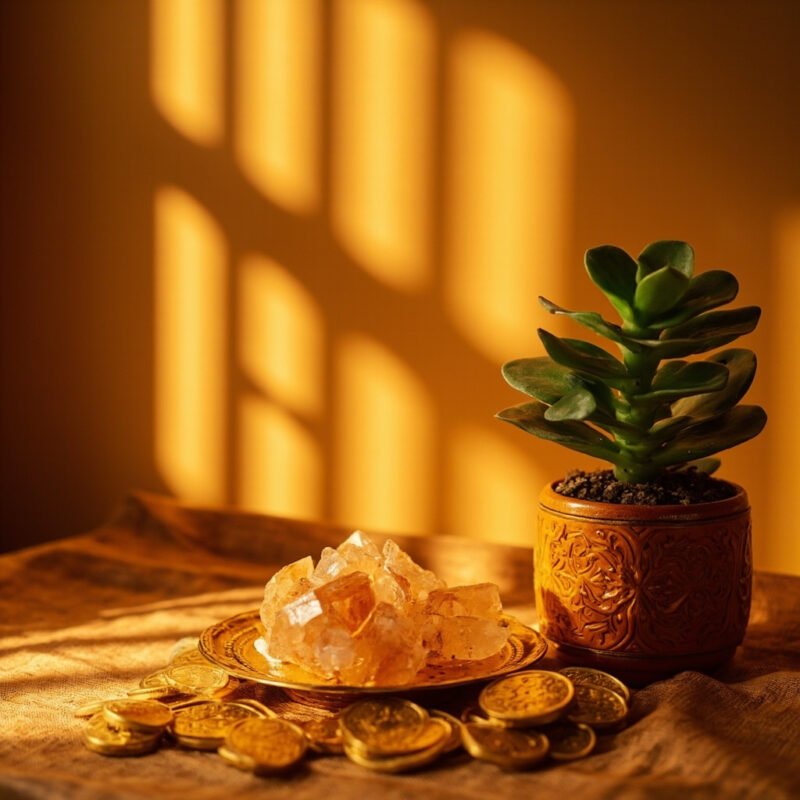
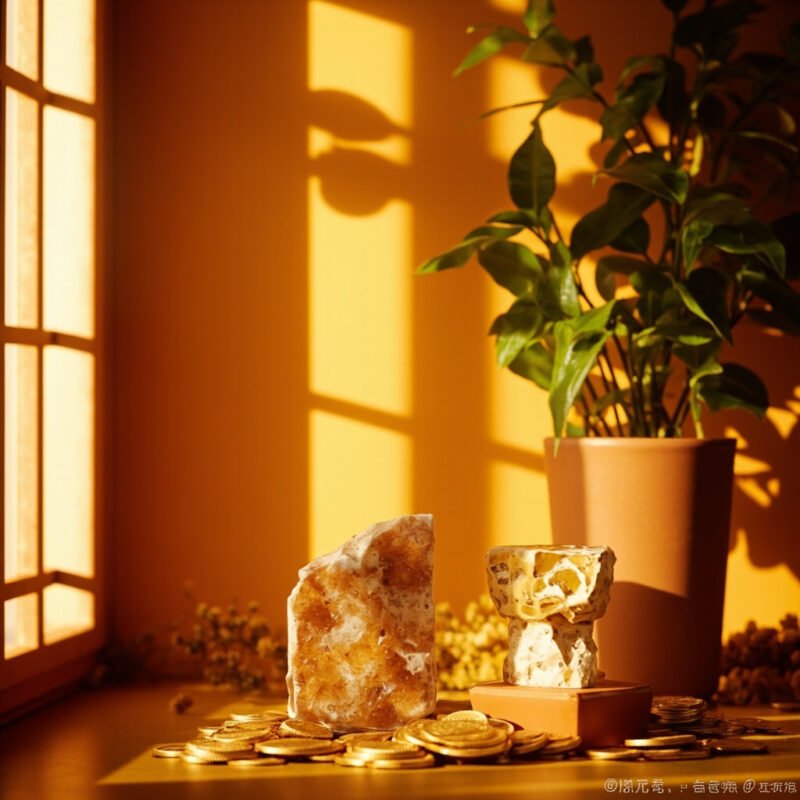
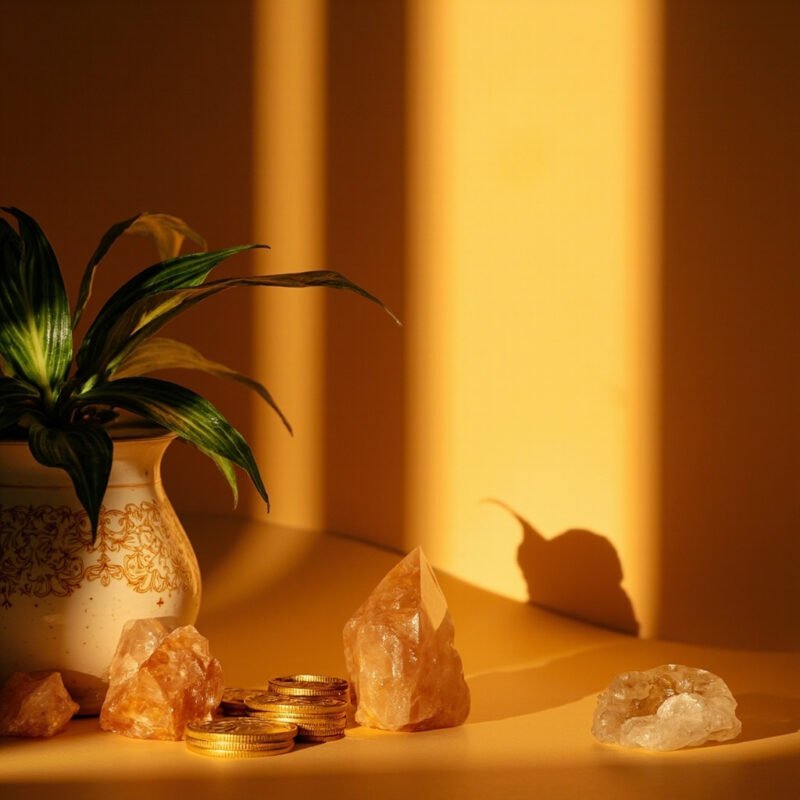
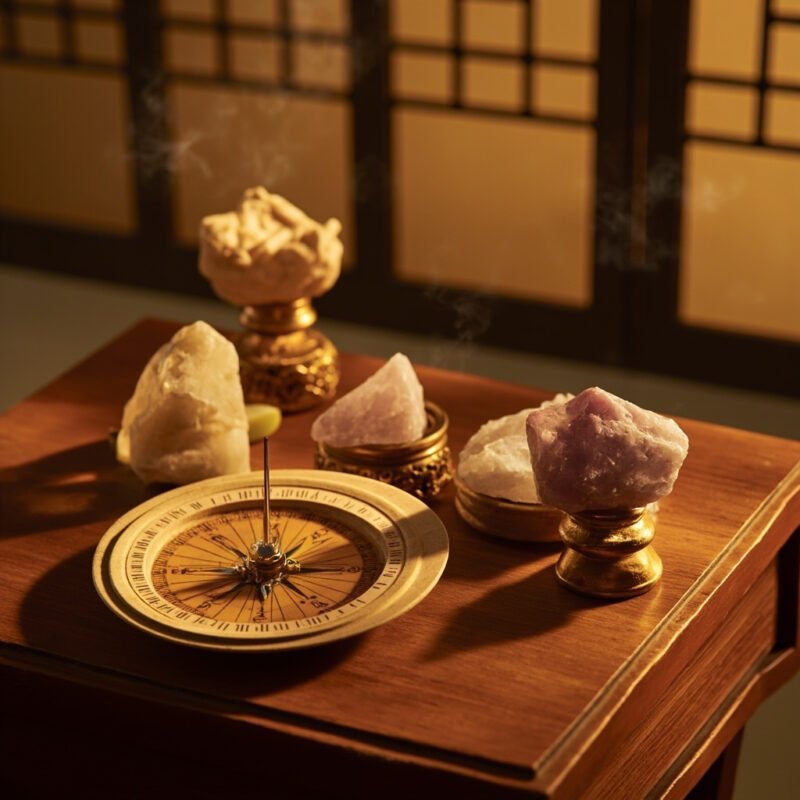
- Southeast wealth corner — support abundance with greens, a small water feature, or a citrine crystal cluster. Keep this area clean and vibrant.
- East health and family corner — promote longevity and kinship with living plants, wooden elements, and fresh green decor.
Even a modest accent — a citrine ornament on a shelf, a jade plant, or a bowl of round stones in the southeast — signals intention to the energy of the room and gently reinforces the household’s financial and familial goals.
Your Living Room Feng Shui Action Plan
Bringing these principles together, here is a simple checklist to harmonize your living room this weekend:
- Survey the clutter — clear surfaces, floors, and windowsills; keep only what is useful or beautiful.
- Reposition main seating — place the largest sofa against a solid wall, facing the room’s entrance from an angle.
- Add one live plant — a leafy green near the east or a money plant in the southeast supports wood energy.
- Balance lighting — introduce at least two warm, varied light sources and open the curtains.
- Soften sharp corners — use plants, throws, or rounded decor to neutralize pointing edges.
- Activate one corner — place a small water feature or citrine cluster in the southeast wealth corner.
A harmonious living room is not about perfection — it is about creating a space where the people you love feel safe, seen, and welcome. When the heart of your home breathes freely, the whole household thrives. Start with one small change today, and let the energy of the room do the rest.