
Dragon Turtle Feng Shui: The Guardian of Protection, Wealth and Longevity
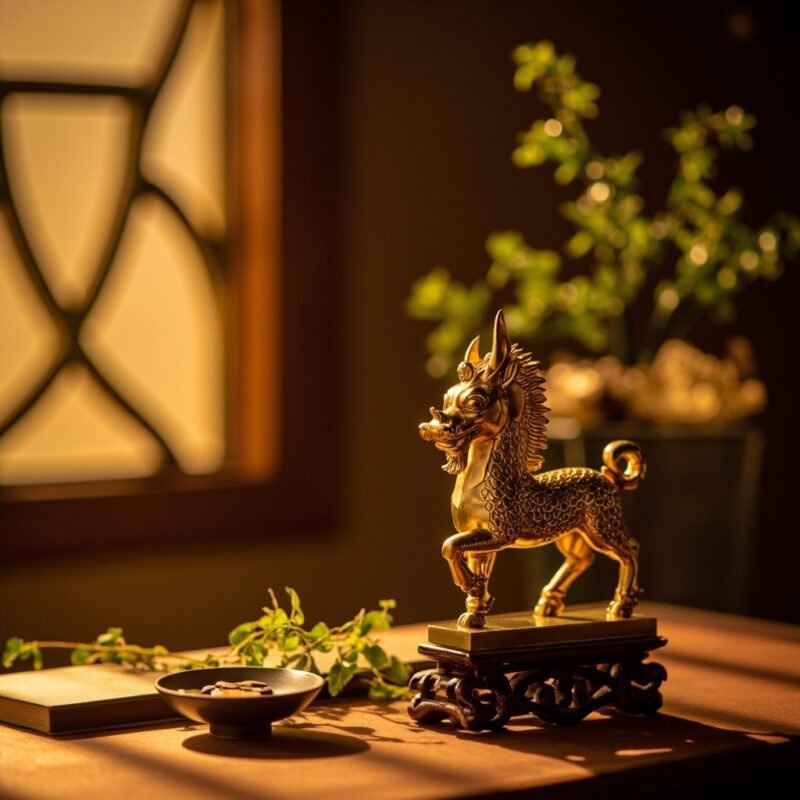
Among the many powerful symbols in Chinese feng shui, few combine strength and fortune as gracefully as the dragon turtle, or longgui. This mythical creature joins the dragon, the supreme celestial spirit of power and success, with the turtle, a timeless emblem of longevity, stability and wise endurance. When placed thoughtfully in a home or office, the dragon turtle is believed to shield the family from negative energy, attract prosperity and steady a career that feels fragile. This guide explains what the dragon turtle represents, where it belongs, which placements to avoid and how to activate it for the best results.
What Does the Dragon Turtle Symbolize in Feng Shui?
The dragon turtle merges two of the most auspicious creatures in Chinese cosmology. The dragon governs yang energy, authority and upward momentum, while the turtle embodies yin energy, grounding and protection. Together they create balanced, enduring fortune. Feng shui practitioners regard the dragon turtle as especially effective for three goals: deflecting sha chi, or harmful energy, securing wealth and supporting career advancement through influential mentors.
Unlike the aggressive fu dog or the sharp-edged pixiu, the dragon turtle carries a calm, protective presence. It does not attack; it absorbs. This makes it suitable for homes with children, elderly residents or anyone who prefers gentle rather than confrontational energy remedies. Many households pair it with coins or a small ingot carried on the turtle’s back to amplify its wealth-bringing function.
Key Benefits at a Glance
- Dissolves negative energy and jealousy directed at the home.
- Supports career stability, leadership and mentor patronage.
- Encourages longevity and family health when placed in the rear of the home.
- Strengthens the northwest corner, the feng shui sector of mentors and helpful people.
Where to Place Your Dragon Turtle for Best Results
Placement determines whether a dragon turtle activates or annoys your energy. The creature works best in a position of quiet watchfulness where it can survey the room without facing conflict directly. The following guidelines reflect the most reliable traditions of Taoist feng shui.
The Home
For a residence, the dragon turtle thrives near the back of the house or the rear of the living area, where it guards the household like a loyal sentinel. Facing it toward the main entrance lets it greet incoming energy and filter out sha chi before it reaches the family. If the home sits at a T-junction, overlooks a sharp corner directed at the door or aligns with a busy road, the dragon turtle is a favored remedy to calm that external pressure.
The Office and Work Desk
In a workspace, position the dragon turtle behind you and slightly to one side, symbolizing the backing of influential allies and quiet authority. Many executives keep a small brass or stone dragon turtle on the desk facing outward, toward the office door, to deflect workplace politics while attracting supportive mentors. Avoid placing it directly in front of you where it would block your own forward momentum.
Dragon Turtle Placement Mistakes to Avoid
An effective symbol becomes counterproductive when placed carelessly. Avoid these common errors to keep the energy clean and productive.
- Never place the dragon turtle in the bathroom, kitchen or laundry room, where heavy water and fire energy weaken its protective force.
- Do not position it facing a mirror, which is believed to reflect its protective energy away.
- Avoid placing it on the floor at human traffic height, where it may be disturbed or stepped past daily.
- Keep it away from the direct center of the bed or desk if you prefer restful, unguarded energy.
- Do not point the turtle’s head toward a wall at close range, which backs it into a dead end and limits its field of watch.
Which Material Should You Choose?
The material matters as much as the position. Brass and bronze dragon turtles carry strong earth and metal energy, excellent for wealth and protection in the northwest or north. A crystal or jade dragon turtle suits the east for family health and the southeast for gentle wealth. Wooden versions bring growth energy and fit naturally into a green, plant-filled space. For most buyers, a solid brass longgui with a coin on its back offers the most versatile everyday benefit.
How to Cleanse and Activate Your Dragon Turtle
Feng shui objects absorb and store energy over time, so periodic cleansing keeps a dragon turtle effective. Wipe the piece gently with a soft, dry cloth to remove dust. Sunlight and moonlight both recharge protective figures; an hour on a clean windowsill on a clear morning works well. For stronger cleansing, place the dragon turtle on a plate of dry sea salt overnight, then brush away the salt the next day. Avoid soaking brass pieces in water, which can dull the metal.
To activate the figure for a specific intention, set it with intention on an auspicious day. Light a small incense stick, hold the dragon turtle in both hands and silently state your goal, such as protection for the household or steady career progress. Then return it to its position. Some practitioners add a red ribbon around the base to draw good fortune and mark the object as activated. Repeat this ritual after deep cleanses or when you sense the energy has faded.
A Balanced Energy Remedy for Modern Homes
The dragon turtle endures because it addresses what feng shui followers most often seek: gentle protection, lasting prosperity and the quiet confidence that comes from feeling supported. Unlike louder cures, it asks nothing of the space around it. It simply watches, absorbs and steadies. Whether placed by a busy front door, beside a home office desk or in the wealth corner of the living room, it offers a calm, reliable anchor for the energy of a modern household. For those beginning their feng shui journey, the dragon turtle is one of the most forgiving and rewarding symbols to invite into the home.