Tian Xing Feng Shui: Aligning Your Personal Energy Field with the Celestial Patterns
In the oldest traditions of Chinese cosmology, the sky is not a silent backdrop but a living, breathing order that influences everything beneath it. Tian Xing Feng Shui—the “Celestial Star” branch of geomancy—reads this order to understand how stellar and planetary fields shape fortune, vitality, and harmony for every person and every home. Where conventional feng shui looks across the room for balance, Tian Xing looks overhead to the heavens and down to the chart of your own birth. When the two are brought into agreement, practitioners say your personal energy field begins to move in rhythm with the larger flow of the cosmos.
What Tian Xing Feng Shui Actually Studies
Unlike the furniture-placement school of feng shui, Tian Xing focuses on the celestial field—the invisible network of influences that patterns itself over a lifetime and a dwelling. Its practitioners study three primary layers that work together constantly:
- The natal chart of your birth moment, which encodes the balance of the Five Elements (wood, fire, earth, metal, and water) that defines your constitution.
- The annual field, which shifts each year as different stars and directional energies take temporary command of different sectors of your home and life.
- The seasonal pulse, the rhythm of the lunar and solar cycles that tells us when to act, rest, plant seeds, and let things mature.
These layers are never static. A chart drawn at birth is a starting point, not a verdict. The skilled practitioner watches how the current year’s field interacts with your fixed chart and adjusts the living space accordingly—moving a desk, changing a color, or adding an element where the year’s energy has grown thin.
The Task of Alignment Rather Than Control
One of the most common misunderstandings about Tian Xing Feng Shui is that it promises to force luck. In Taoist thought the goal is far more subtle: alignment. When your physical environment and your daily rhythms agree with the prevailing celestial field, resistance drops, opportunities present themselves more clearly, and small efforts produce outsized results. When they clash, the same efforts seem to stall no matter how determined you are.
This is why the discipline is as much about timing as about placement. A meeting convened during a favorable window, a journey begun on an auspicious day, or a decision taken when the annual field supports a particular direction can all carry more weight than the identical action taken a week later. Tian Xing practitioners do not claim to bend the stars; they claim to row with the current instead of against it.
Practical Ways to Work with the Celestial Field
You do not need to become a formal practitioner to benefit from the principles of Tian Xing Feng Shui. A few consistent habits can bring your living space into closer agreement with the moving field around it:
- Locate your favorable directions. Using your natal chart, identify the two or three directions that support your strongest element. Study, work, and sleep facing them when you can.
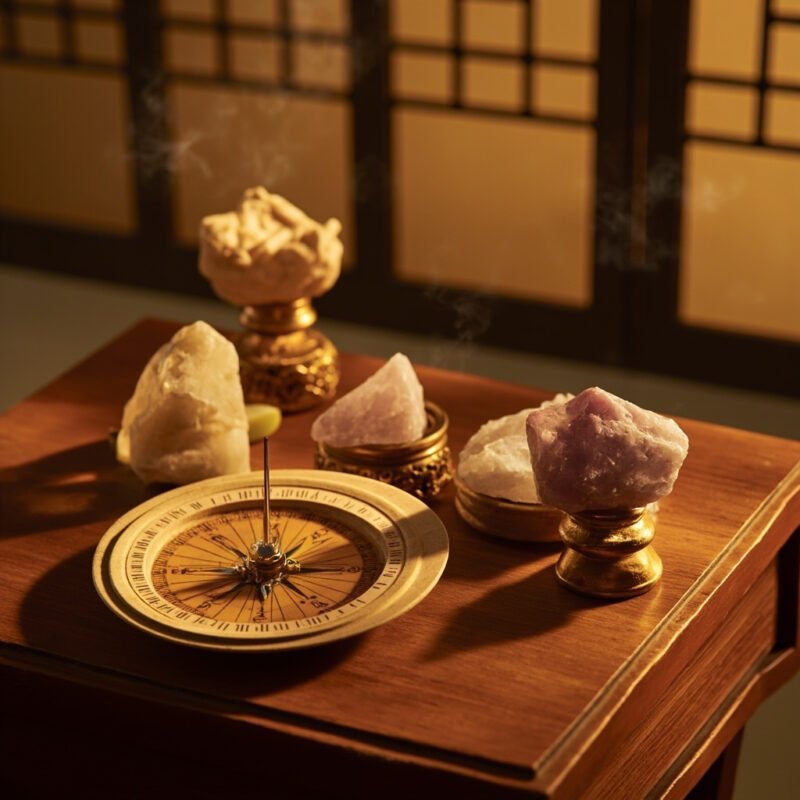
- Refresh the elements seasonally. As the year’s field shifts, retire worn or exhausted objects in the dominant sectors and introduce the element that the current cycle favors—a metal bell, a wooden plant, a bowl of water, or a stone formed from earth.
- Honor the daily and monthly cycles. Begin important work or significant purchases on days the calendar marks as favorable for your element, and avoid the small, charged days of conflict that occur several times each month.
- Clear stale energy weekly. Long-unused corners of the home accumulate what the tradition calls stagnant chi. Open windows, burn a cleansing incense, and physically move items so the room breathes again.
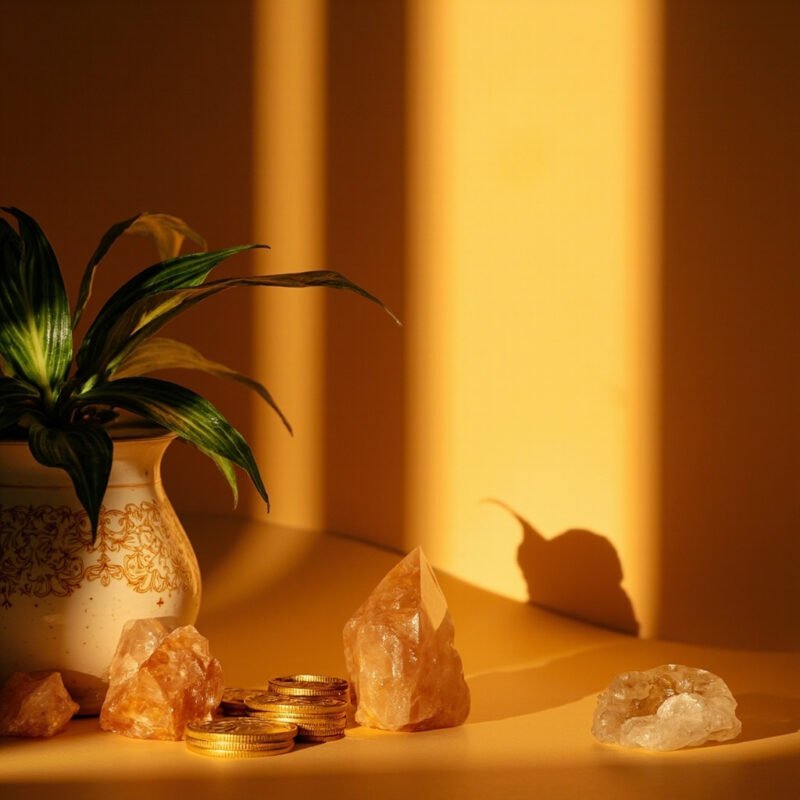
- Wear or carry a supporting talisman. A crystal, a Taoist amulet, or a piece of jewelry tuned to your missing element acts as a portable anchor of the guidance you have set up at home.
How Energy Tools Support the Work
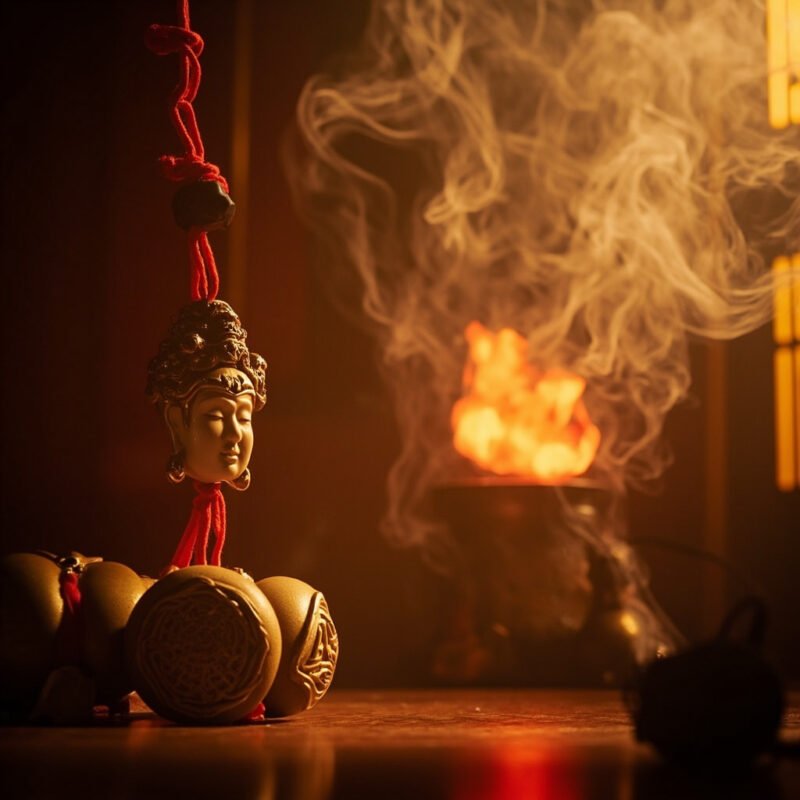
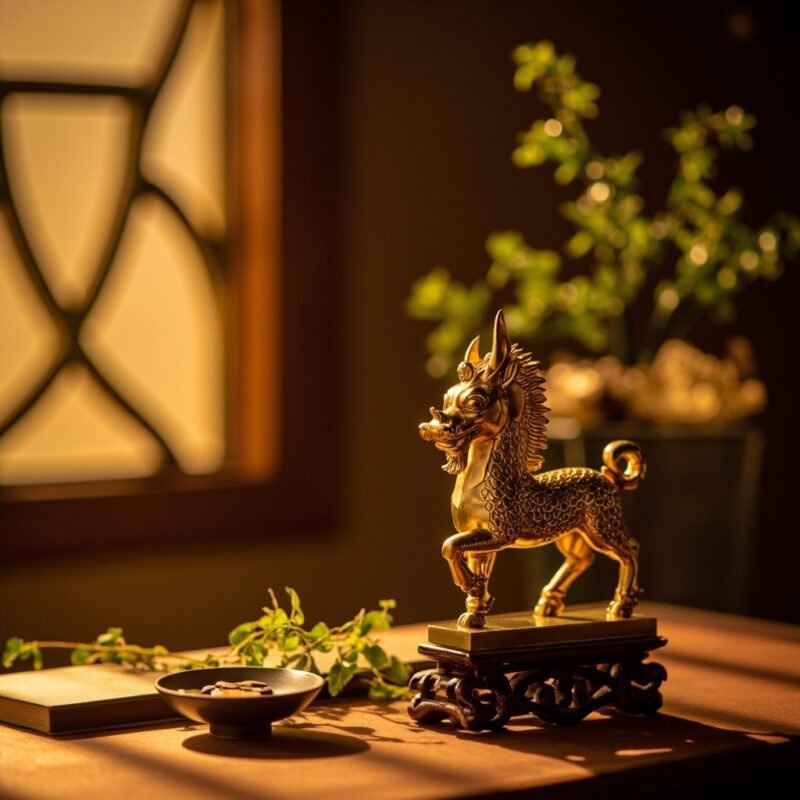
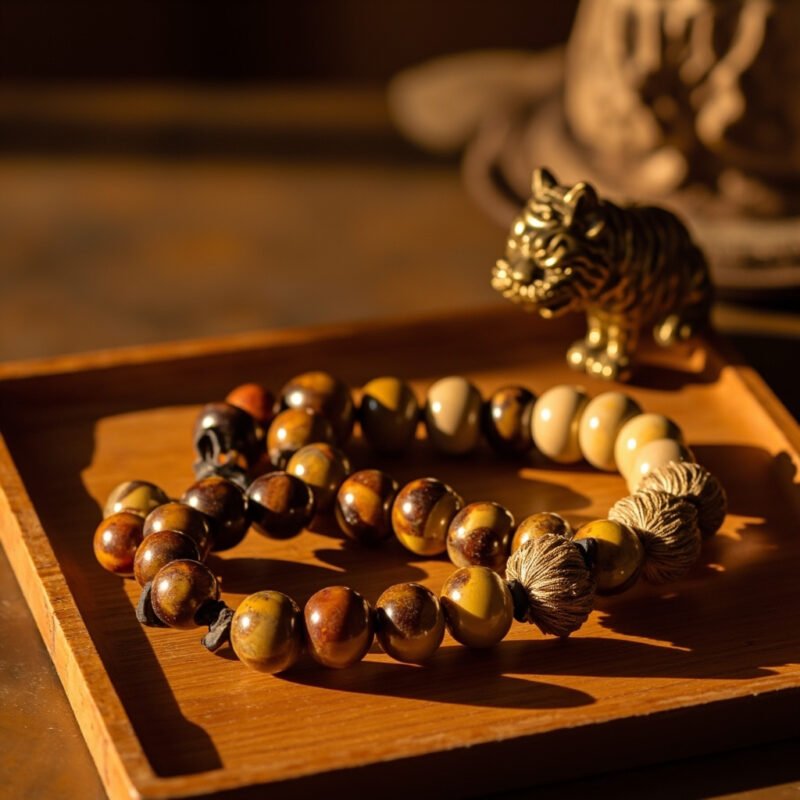
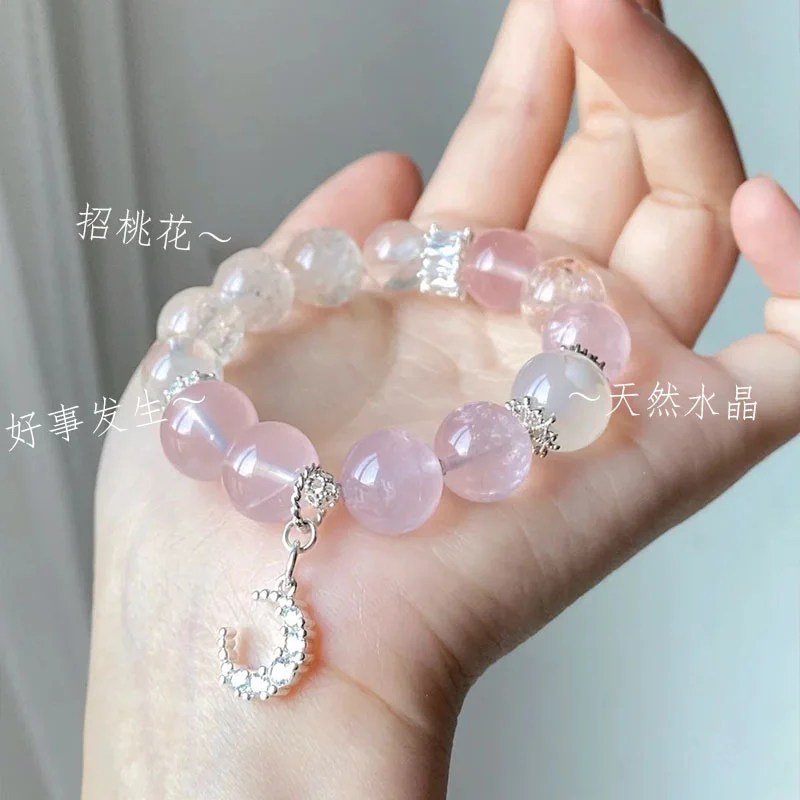
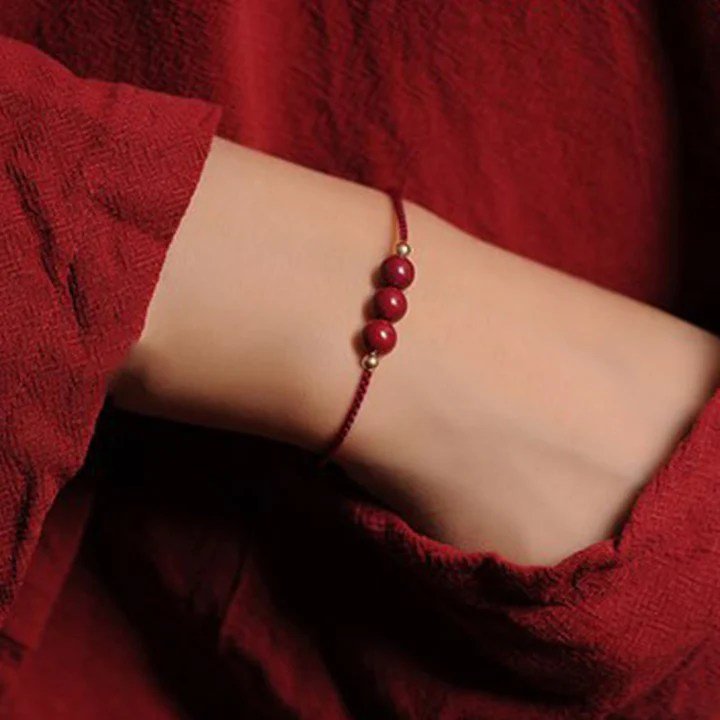
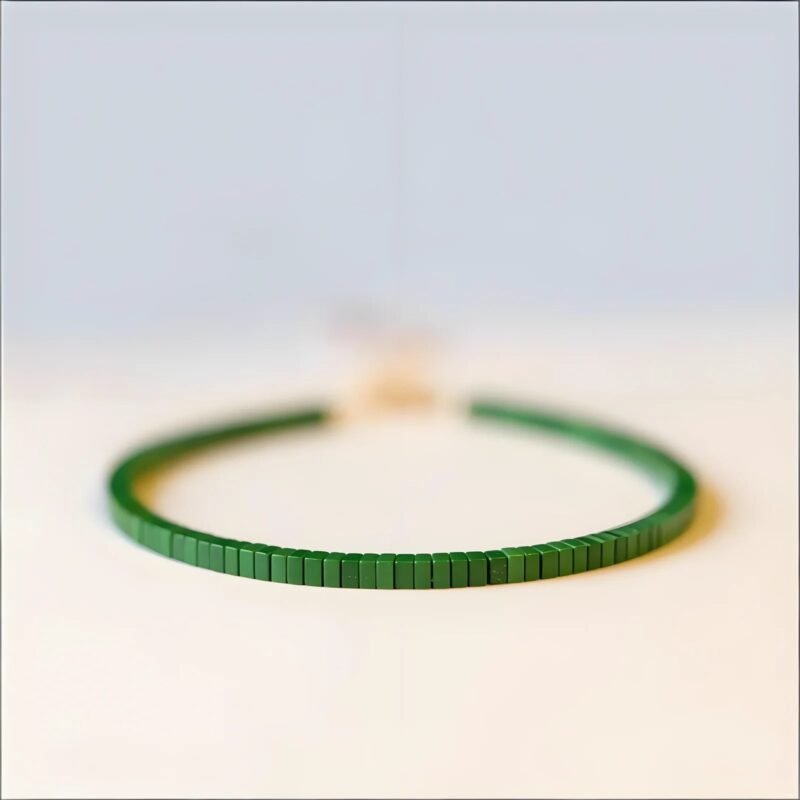
Because the celestial field is invisible, many people find they need a physical handle to keep the work in mind. This is where Taoist energy products become genuinely useful rather than merely decorative. A bracelet made of jade or tiger’s eye, a small metal wind chime, or a carved wooden figure of a protective symbol all serve one practical function: they remember the alignment for you. Each piece is chosen to reintroduce a particular element into your personal field at a time when that element is scarce.
Consider the logic this way. If the current year’s field is dominated by metal energy and your chart is already metal-heavy, the skilled practitioner would steer you toward water and wood remedies to restore balance rather than piling on more metal. The choice of object is never arbitrary; it is prescribed by the exhaustion or excess visible in your chart and the date itself.
Aligning Your Space, Your Schedule, and Your Self
The enduring appeal of Tian Xing Feng Shui is that it treats a person as a whole being situated in a moving whole. It refuses to reduce well-being to a single trick—no single amulet, no single corner of the room, no single auspicious day is enough on its own. Instead, it asks for a reasonable consistency across three levels: the space you inhabit, the timing of your actions, and the object you carry as a reminder.
When those three levels are pointed in the same direction, the tradition holds, your personal energy field begins to align with the celestial patterns that surround it. Life does not become frictionless overnight, but it does begin to flow more easily. Chances that once seemed to come and go without notice start to arrive at moments when you are ready to take them.
Beginning Your Own Alignment
If the idea of working with celestial energy appeals to you, resist the urge to buy everything at once. Begin with the smallest meaningful step: draw your natal chart, note your favorable direction, and commit to facing it during your most demanding work for a single month. Look for one Taoist energy tool that balances the element your chart lacks and let it serve as your daily reminder of the larger pattern.
Tian Xing Feng Shui rewards patience, not impulse. The stars have been keeping their order for a very long time, and they are in no hurry. The practice asks only that you look up, read the field honestly, and arrange a single corner of your life to agree with what you find there. In that small act of alignment, the entire tradition becomes practical, personal, and quietly powerful.