Tian Xing Feng Shui: Harnessing Celestial Energy for Lasting Prosperity
For thousands of years, Chinese metaphysical practitioners have looked to the heavens for guidance. While many people are familiar with classical feng shui and its focus on landforms and compass directions, fewer know about Tian Xing Feng Shui (Celestial Star Feng Shui) — a profound system that maps the energy of constellations, planets, and cosmic cycles onto the spaces where we live and work. In this article, we explore what Tian Xing Feng Shui is, how it differs from traditional feng shui, and how you can apply its principles to attract prosperity, health, and harmony into your life.
What Is Tian Xing Feng Shui?
Tian Xing Feng Shui, also known as Celestial Star Feng Shui, is an advanced branch of Chinese geomancy that analyzes the influence of stars and celestial bodies on earthly environments. Unlike the more common Form School or Compass School feng shui, which emphasize terrain features and directional energies, Tian Xing focuses on the energetic signatures of specific stars, including the Zi Wei (Purple Star), the Bei Dou (Big Dipper), and the 28 Mansions (Xiu) of the Chinese lunar zodiac.
The core belief is simple yet powerful: every location on Earth receives unique cosmic energy based on the alignment of stars at a given time. By understanding these celestial patterns, a practitioner can position a home, office, or sacred space to absorb the most auspicious star energy while deflecting negative influences.
Key Principles of Celestial Star Feng Shui
Tian Xing Feng Shui rests on several foundational concepts that distinguish it from other feng shui traditions. Understanding these principles is the first step toward applying them effectively.
The 28 Lunar Mansions (Xiu)
The Chinese sky is divided into 28 mansions, each associated with an animal, an element, and a specific type of energy. These mansions serve as celestial markers — when a particular mansion is prominent in the night sky above your home or business, its energy actively influences the inhabitants. For example, the Fang Mansion (the House, associated with the Horse) brings vitality and movement, making it excellent for creative studios or active retail spaces.
Zi Wei Dou Shu (Purple Star Astrology)
Closely related to Tian Xing Feng Shui is Zi Wei Dou Shu, a sophisticated star astrology system used to map a person’s destiny chart against the stars at their birth. When combined with spatial feng shui, practitioners can identify the exact sectors of a home that carry the strongest supporting star energy for each individual resident, offering personalized auspicious placements far beyond generic bagua recommendations.
The Five Celestial Elements
Just as classical feng shui uses the five elements (Wood, Fire, Earth, Metal, Water), Tian Xing Feng Shui assigns elemental qualities to stars and constellations. Auspicious star placements are those where the elemental energy of the star harmonizes with the elemental energy of the land and the building’s occupants. A disharmonious star-land pairing can be corrected using specific elemental cures.
How Tian Xing Feng Shui Boosts Prosperity
Many business owners and homeowners turn to Tian Xing Feng Shui seeking concrete improvements in financial flow and career success. Here is how celestial star energy can directly impact prosperity.
- Wealth Star Alignment: Certain stars in the Zi Wei system are designated Wealth Stars. By orienting your office desk, cash register, or front entrance toward the current favorable Wealth Star direction, you create a cosmic “receiving channel” for abundance energy.
- Timing of Auspicious Events: Tian Xing practitioners select specific days and hours — based on star transits — to open a new business, sign a contract, or move into a new home. This celestial timing amplifies the likelihood of a prosperous outcome.
- Neutralizing Financial Sha: Inauspicious star alignments can generate “celestial sha” — disruptive energy that leads to unexpected expenses, poor investments, or stagnation. Placing protective crystals, mirrors, or Taoist talismans in sectors affected by these stars mitigates the harm.
Practical Ways to Apply Tian Xing Feng Shui at Home
You don’t need to be a master astrologer to benefit from Tian Xing Feng Shui. Here are three actionable steps you can take today.
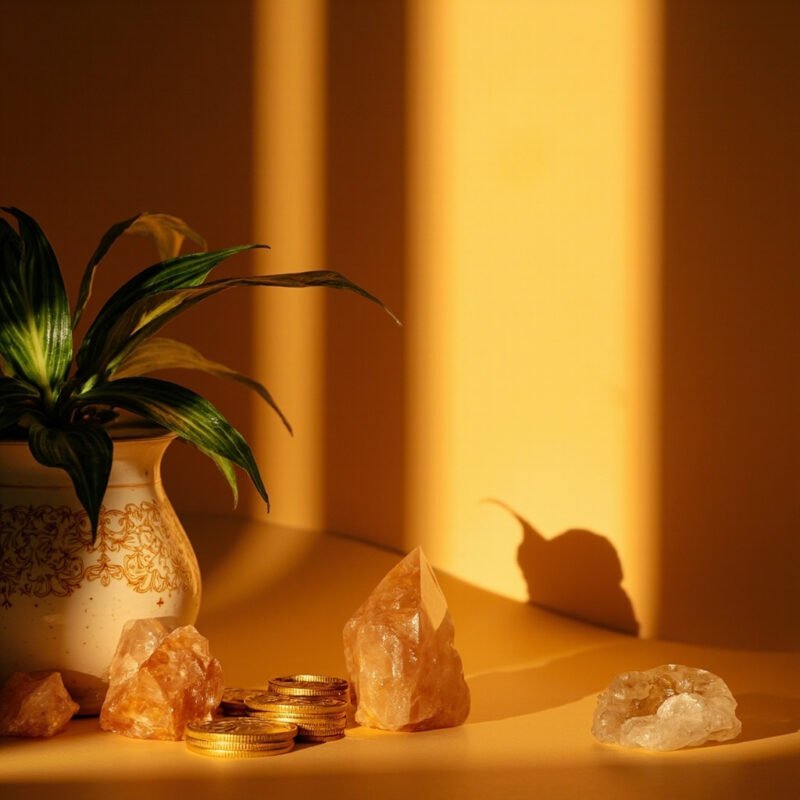
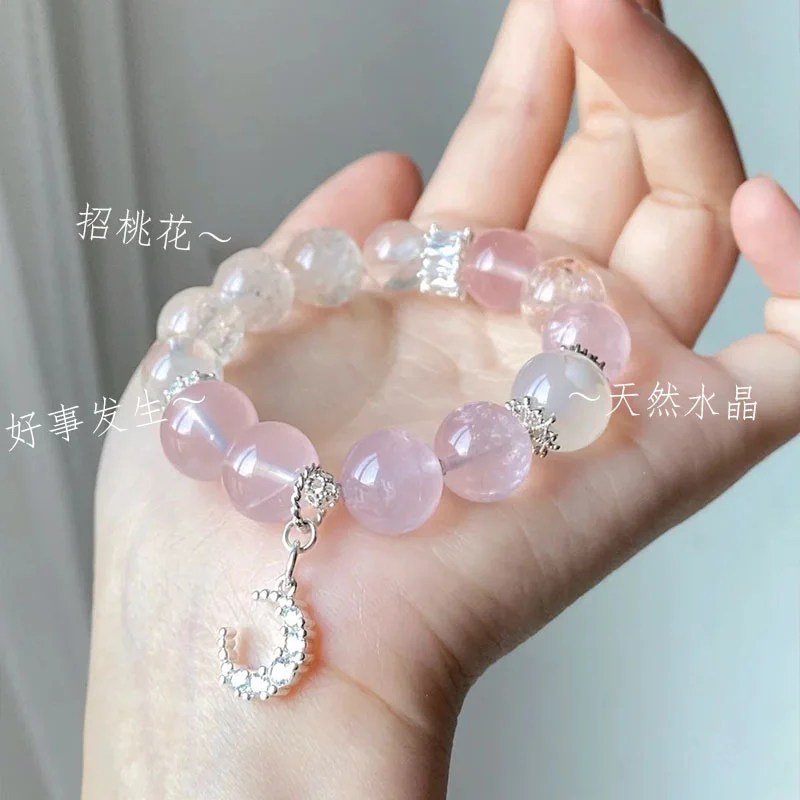
- Identify Your Home’s Star Sector: Use a traditional Chinese almanac (Tong Shu) to find the current year’s dominant star positions. The southwest sector, for example, often governs relationships and may carry the energy of romantic stars. Place a pair of rose quartz crystals there to harmonize and amplify that energy.
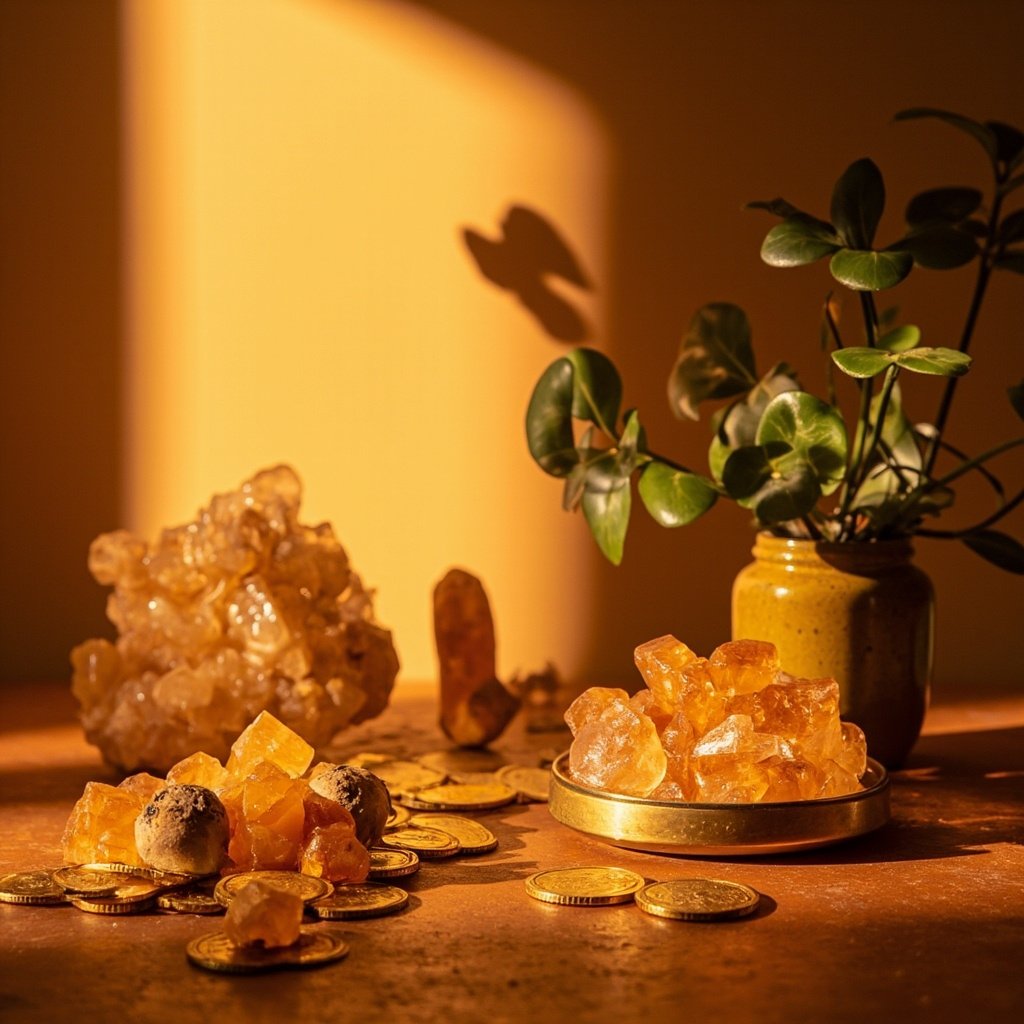
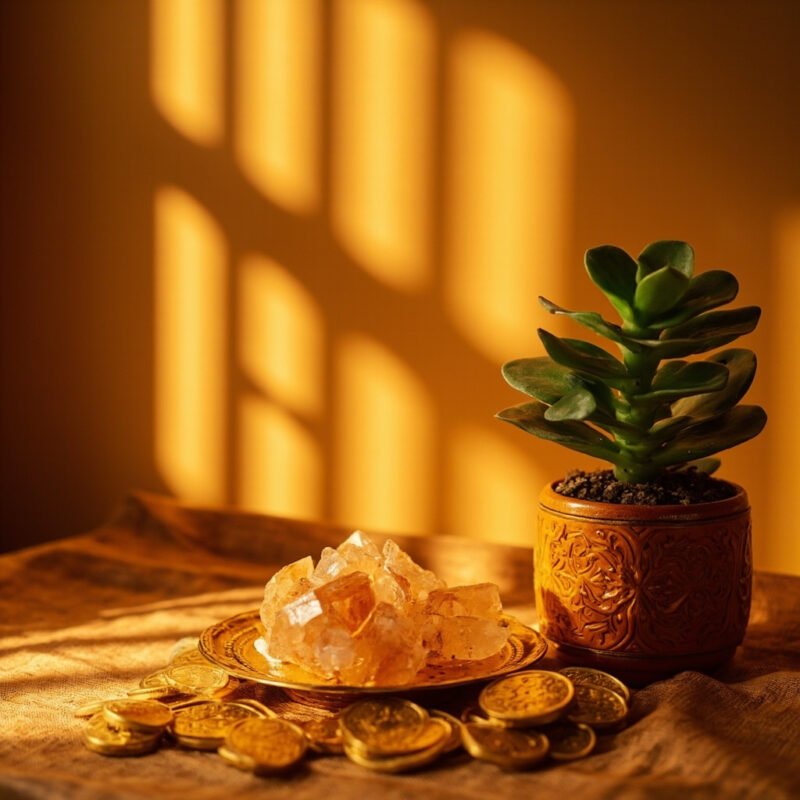
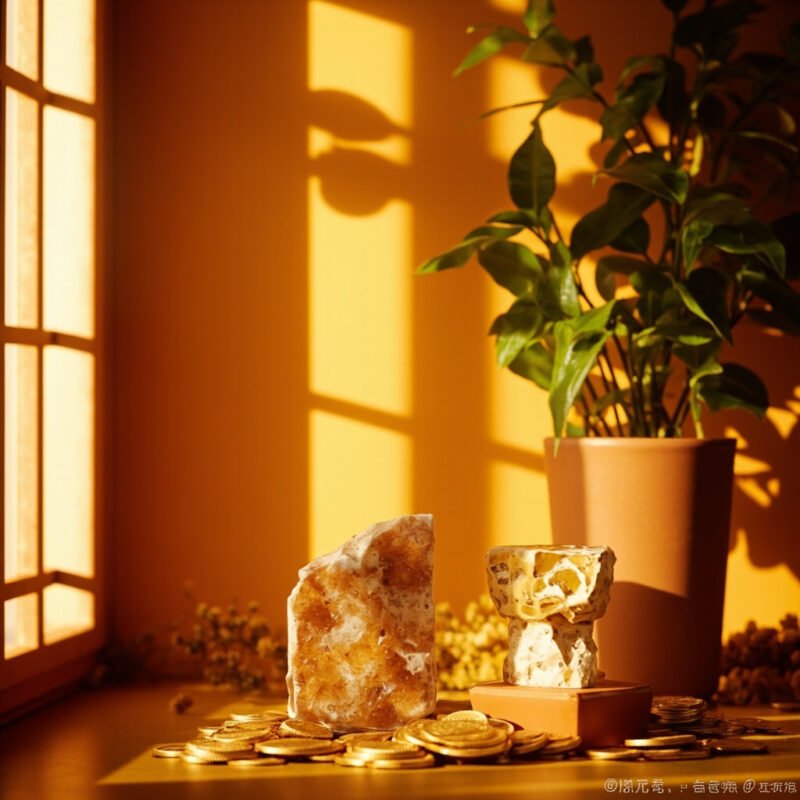
- Activate the Annual Wealth Star: Each year, the Wealth Star moves to a different sector of the bagua. In the current cycle, placing a bowl of clear quartz points, a citrine cluster, or a wealth-bringing talisman in the corresponding area of your living room or office can stimulate financial opportunities.
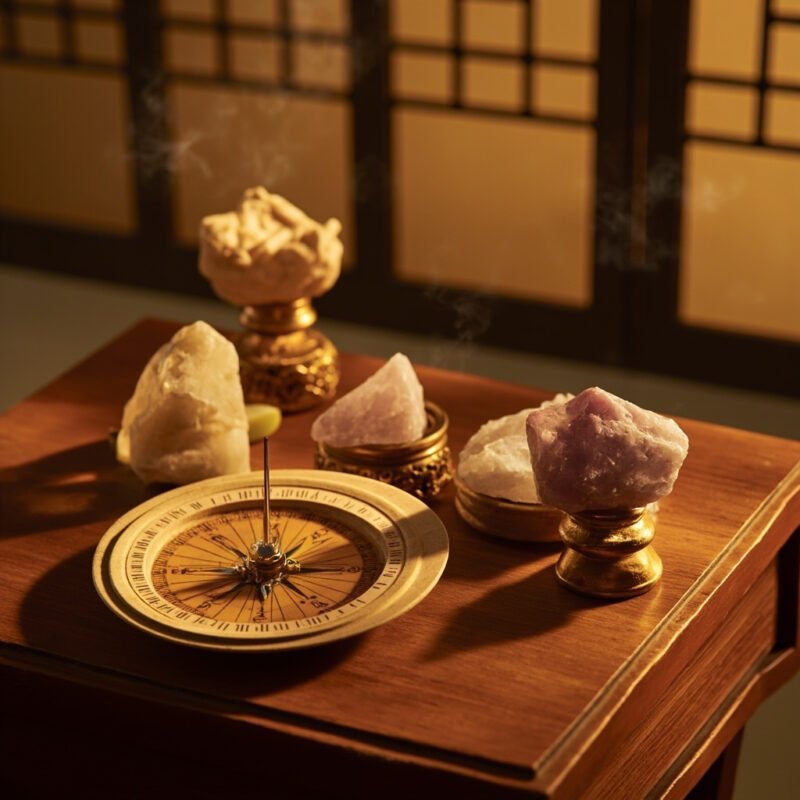
- Use Celestial Feng Shui Cures: Taoist energy products such as bagua mirrors, star charts, and inscribed jade discs are specifically designed to interact with celestial energies. Hang a Ba Gua mirror above your front door to reflect negative star influences away, or display a Lu Pan compass to stabilize the energy of your workspace.
Choosing the Right Celestial Feng Shui Products
Authentic Tian Xing Feng Shui requires genuine tools and objects that have been properly consecrated with Taoist rituals. At Yihui Store, every celestial feng shui product — from pure crystal point clusters to hand-inscribed wood talismans — is sourced from masters who understand the intricate relationship between star energy and earthly wellness. When selecting items for your space, consider these criteria:
- Material Purity: Natural crystals and untreated wood carry the clearest energy channels for star light to resonate through. Avoid synthetic or dyed materials.
- Ritual Consecration: Products blessed or activated during auspicious celestial windows (e.g., a full moon or a planetary conjunction) carry far stronger energetic signatures than mass-produced alternatives.
- Intended Purpose Alignment: A wealth crystal set has different energetic programming than a protection talisman. Be specific about your intention when choosing your feng shui tool.
Common Misconceptions About Tian Xing Feng Shui
As with any esoteric practice, Tian Xing Feng Shui is surrounded by myths. Let us clear a few of the most common ones.
Myth 1: “It is only for the wealthy or the superstitious.” In reality, Tian Xing Feng Shui is a practical system of environmental optimization used by people from all walks of life — from small shop owners in Hong Kong to tech entrepreneurs in Silicon Valley — who simply want to align their environment with natural cosmic rhythms.
Myth 2: “You need to be an expert to use it.” While deep mastery takes years, the basic principles of identifying star sectors and applying simple elemental cures can be learned in an afternoon. Start with one room and one intention, and expand from there.
Myth 3: “It conflicts with modern science.” Many principles of Tian Xing Feng Shui parallel discoveries in chronobiology and environmental psychology. The idea that light cycles, electromagnetic fields, and spatial orientation affect human well-being is increasingly supported by research.
Final Thoughts: Bringing the Stars Into Your Space
Tian Xing Feng Shui offers a beautiful and powerful framework for harmonizing your living environment with the cosmos. By acknowledging that we are not separate from the stars but intimately connected to them, we open ourselves to a deeper level of abundance, health, and peace. Whether you are a seasoned feng shui practitioner or a curious beginner, exploring celestial star energy can transform the way you experience your home and your life.
Visit the Yihui Store to explore our curated collection of authentic Tian Xing Feng Shui tools — from star charts and compasses to consecrated crystal sets — designed to help you bring celestial harmony into every corner of your world.