Heavenly Star Feng Shui: Aligning Your Home with Celestial Energy
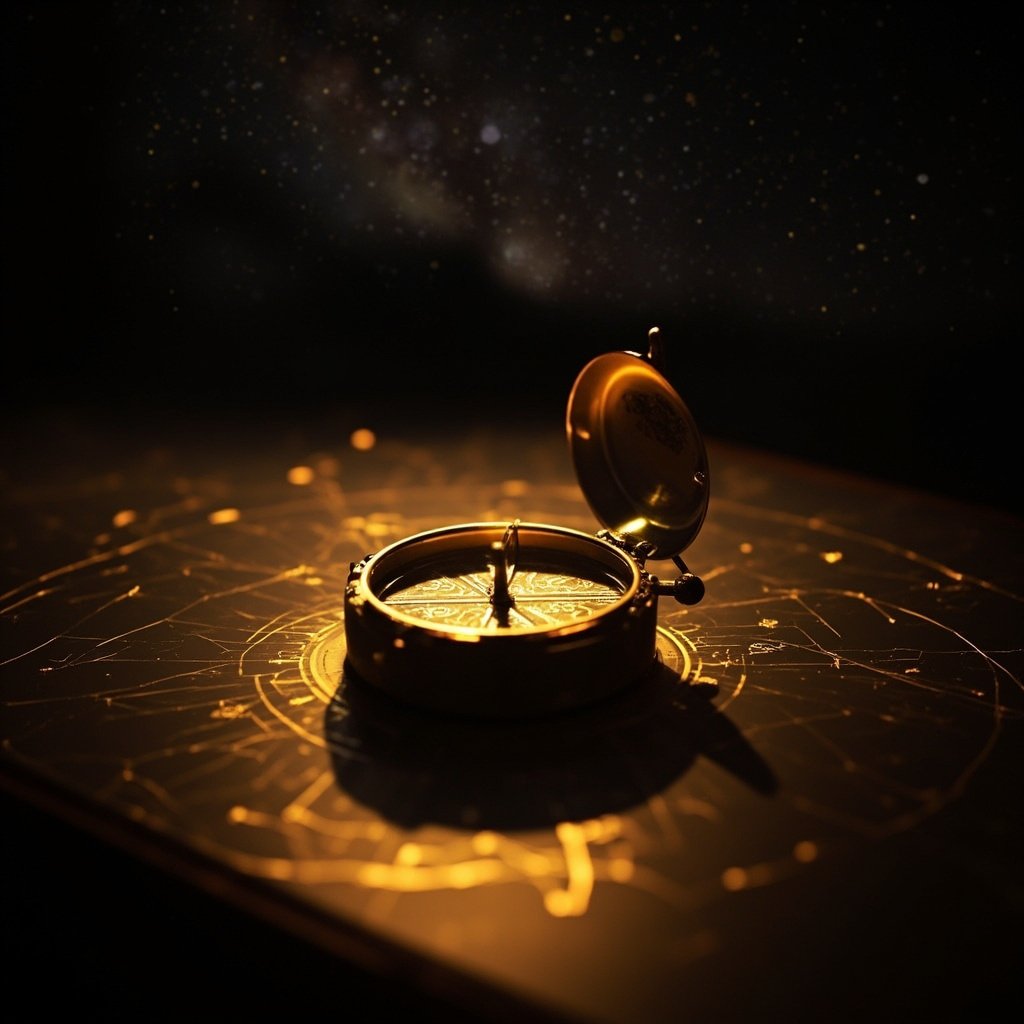
Most Western audiences know feng shui as the art of arranging furniture and balancing the five elements. Yet beneath this surface lies a far older practice: Heavenly Star Feng Shui, or Tian Xing Feng Shui (天星风水). This advanced branch of Chinese geomancy studies how the positions of stars, planets, and constellations shape the energy fields of buildings, landscapes, and human lives. Where classical feng shui focuses on what we can see — doors, windows, mountains, rivers — Heavenly Star Feng Shui looks upward and reads the sky as a living compass.
For centuries, Tian Xing masters served imperial courts, selecting palace sites and tomb locations based on celestial alignments. Today, this knowledge is accessible to anyone seeking deeper harmony in their home. This guide explains the core principles of Heavenly Star Feng Shui and how you can begin applying them, whether you live in a city apartment or a countryside house.
What Is Heavenly Star Feng Shui?
Heavenly Star Feng Shui is rooted in the observation that Earth is not isolated from the cosmos. The gravitational and energetic pull of stars, the moon, and planets affects everything — from ocean tides to the subtle energies (qi) flowing through your home. Tian Xing practitioners map celestial bodies onto the Eight Trigrams of the I Ching and the Twenty-Eight Mansions (二十八宿) of ancient Chinese astronomy, creating a star chart that reveals which areas of a building carry auspicious or challenging energy at any given time.
Unlike flying star feng shui (Xuan Kong Fei Xing), which calculates annual and monthly energy shifts based on a formulaic time wheel, Heavenly Star Feng Shui reads actual live celestial positions. This makes it both more dynamic and more precise — your home’s energy profile changes as the stars move.
Core Principles of Tian Xing Feng Shui
The Twenty-Eight Mansions
The foundation of Heavenly Star Feng Shui is the Twenty-Eight Mansions, a system of lunar mansions that divide the sky into twenty-eight sectors. Each mansion corresponds to a specific quality — wealth, health, relationships, protection, or spiritual growth. When a particular mansion is overhead, its associated energy descends into the space below. A skilled Tian Xing practitioner identifies which mansion is influencing your home at a given hour and recommends adjustments to harness that energy.
The Seven Luminaries
Traditional Chinese astrology recognizes seven visible celestial bodies — the Sun, Moon, Mars, Mercury, Jupiter, Venus, and Saturn — collectively called the Seven Luminaries (七政). Each luminary governs specific life domains:
- Sun: Authority, vitality, masculine yang energy
- Moon: Emotions, intuition, feminine yin energy
- Mars: Ambition, drive, competitive spirit
- Mercury: Intellect, communication, commerce
- Jupiter: Expansion, prosperity, good fortune
- Venus: Romance, beauty, artistic talent
- Saturn: Discipline, endurance, karmic lessons
When a luminary occupies a favorable mansion in your home’s star chart, that area becomes activated — a bedroom under Jupiter’s influence may attract financial growth, while a study under Mercury enhances learning and business negotiations.
Celestial Qi and Earth Forms
Tian Xing does not replace earthly feng shui — it enhances it. The principle is simple: celestial qi descends, and earthly forms receive it. A home with strong earthly feng shui (proper orientation, balanced elements, clear pathways) acts like a well-tuned antenna for celestial energy. A home with poor earthly feng shui blocks or distorts that same energy. The two systems work together.
How to Apply Heavenly Star Feng Shui at Home
You do not need a rooftop observatory to benefit from Tian Xing. Here are practical steps anyone can take:
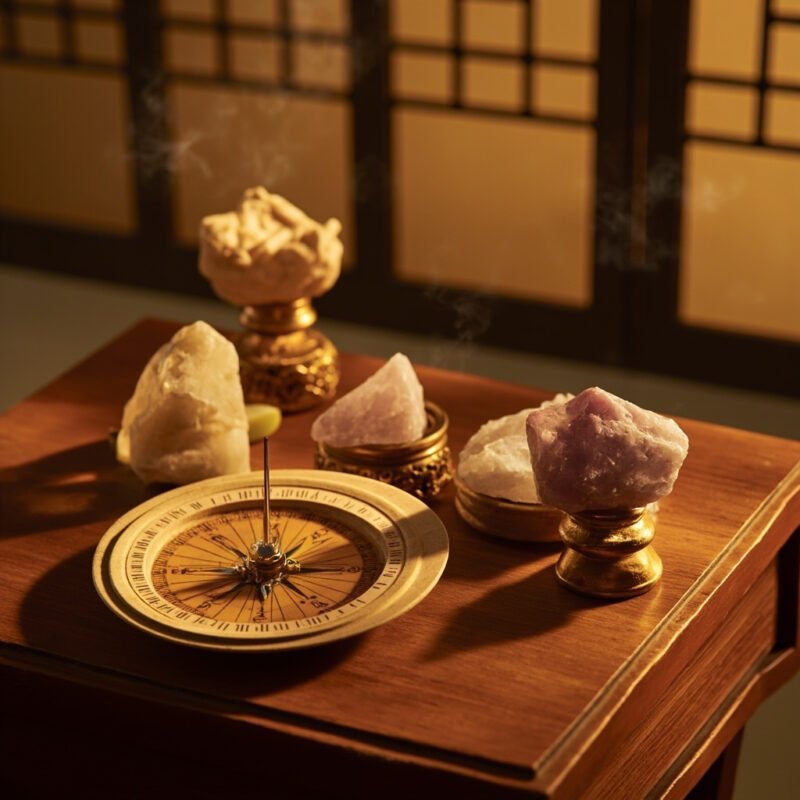
- Identify your home’s celestial orientation. Use a Luo Pan (feng shui compass) or a reliable digital alternative to find your home’s facing direction. Heavenly Star readings always begin with accurate orientation — even a five-degree error changes the star mapping.
- Keep a celestial journal. Note the moon phase and the visible planets when you notice changes in your home’s atmosphere — restlessness, harmony, arguments, or unexpected good news. Over weeks, patterns emerge between celestial positions and your lived experience.
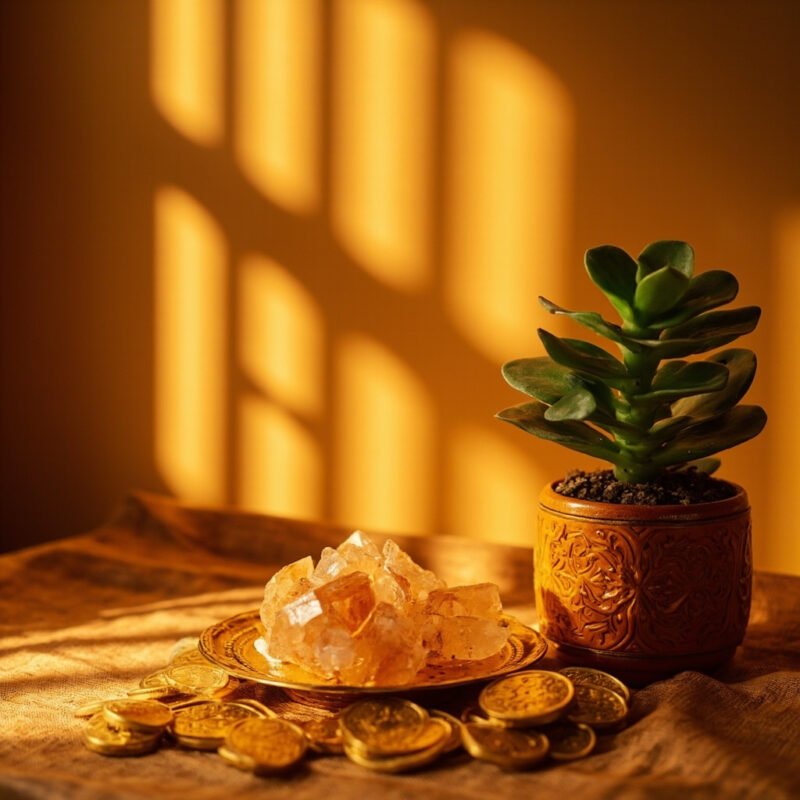
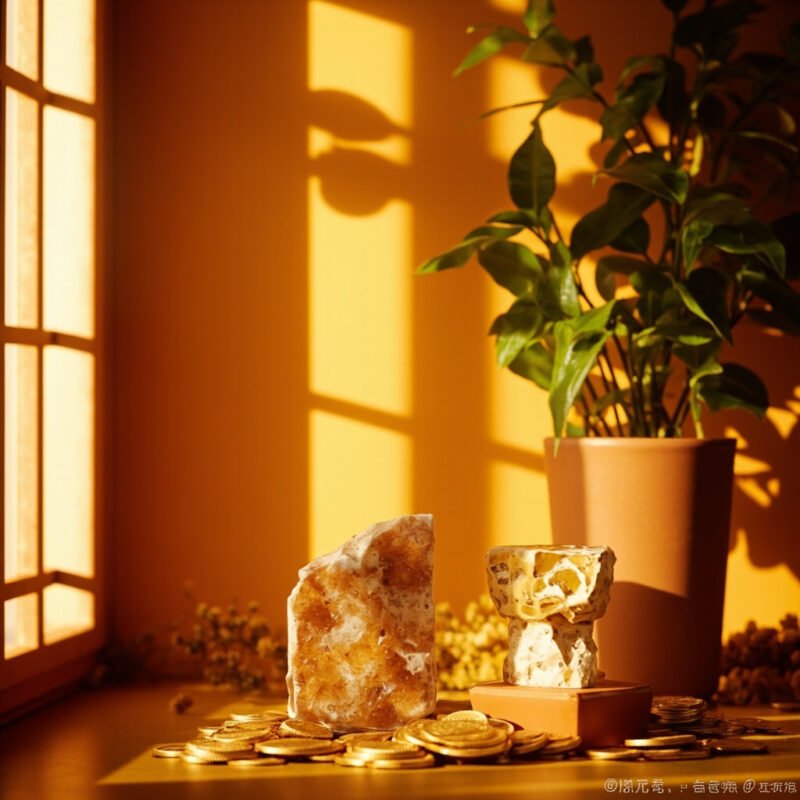
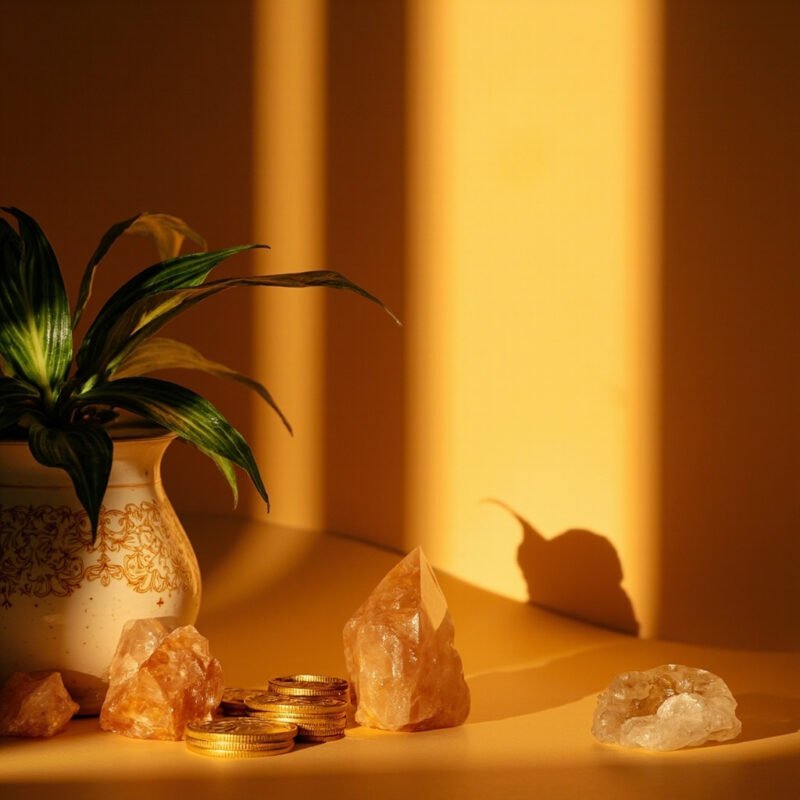
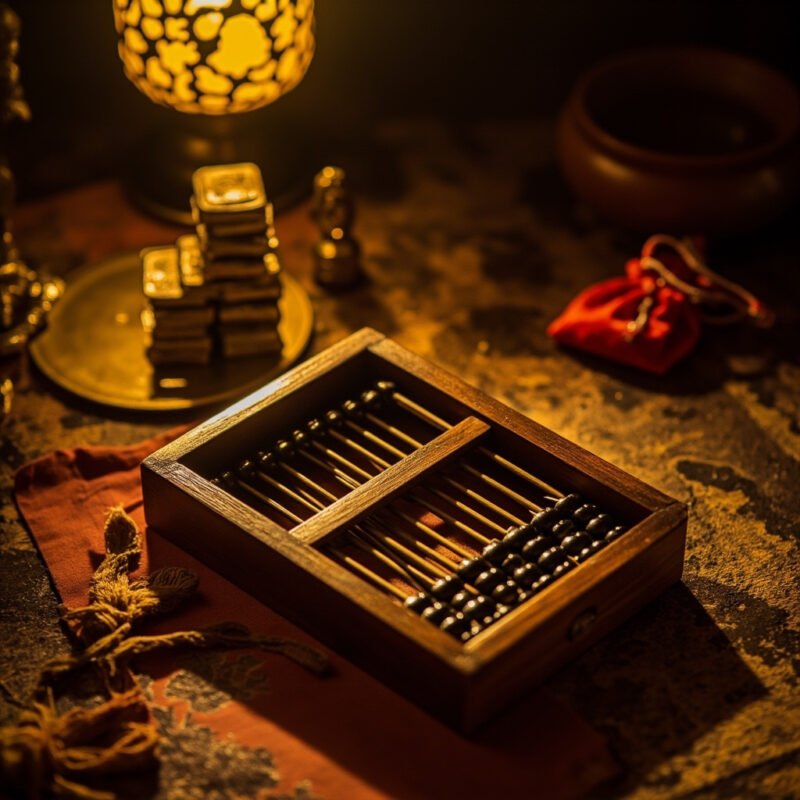
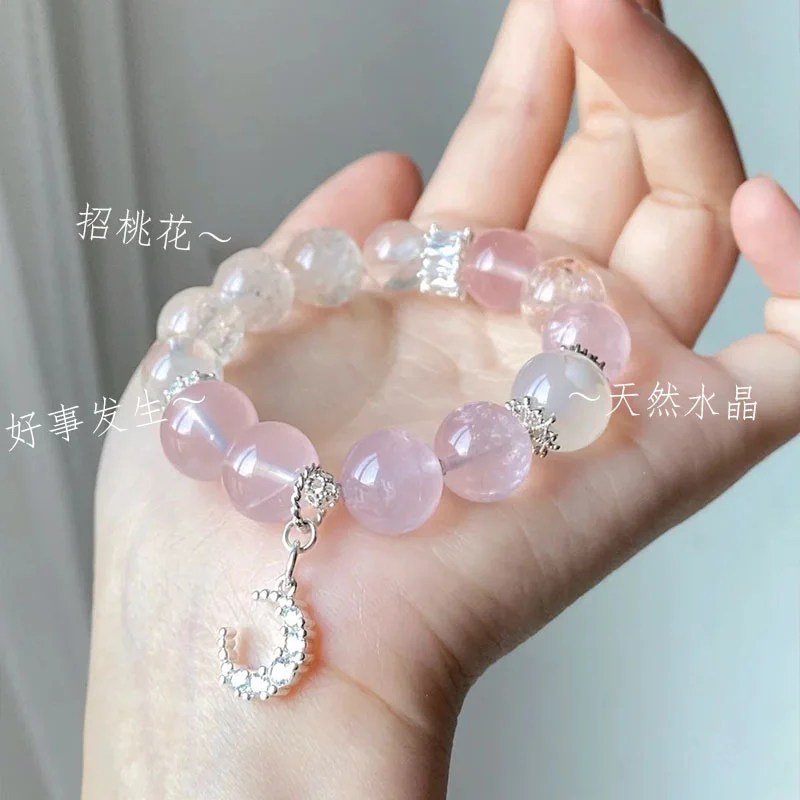
- Activate auspicious mansions. When a favorable mansion is active in your home, place meaningful objects in that sector. A wealth-activating mansion in the southeast calls for a prosperity symbol like a gold ingot or citrine cluster. A relationship mansion in the west responds well to paired rose quartz or peony imagery.
- Protect challenging mansions. Not every mansion is benevolent. Some carry energies of loss, conflict, or stagnation. When these pass overhead, avoid starting new projects or signing contracts in the affected area. A simple salt water cure or metal wind chime can disperse stagnant celestial qi.
- Work with the new moon and full moon. The moon is the fastest-moving celestial body and has the most immediate effect on home energy. Use the new moon for planting intentions and the full moon for releasing what no longer serves you. Place a selenite wand or clear quartz on your altar during these phases to amplify the connection.
Tools for Heavenly Star Practice
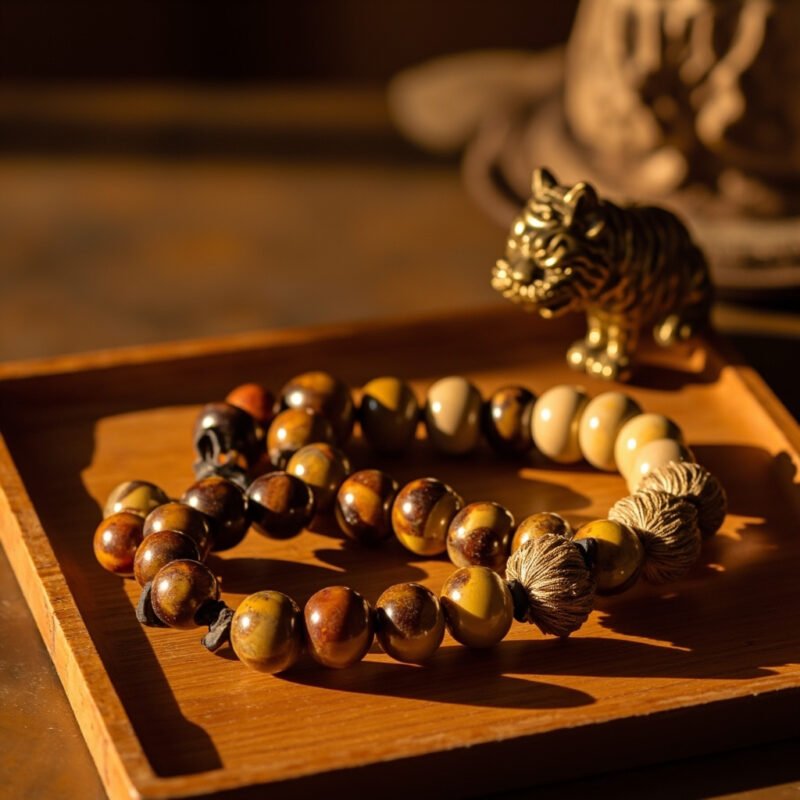
Authentic Tian Xing requires tools that bridge the visible and invisible worlds. At Yihui Store, you will find hand-calibrated Luo Pan compasses with the Twenty-Eight Mansions engraved directly onto the plate, star-activated talismans inscribed by Taoist masters, and celestial energy crystals selected for their resonance with specific luminaries. A Purple Star talisman (Zi Wei talisman), for instance, carries the vibration of the North Star — the celestial anchor around which all heavenly bodies turn. Placing it in the center of your home stabilizes the entire energy field.
For those new to Tian Xing, a set of Seven Luminaries fragrance incense sticks makes an excellent starting point. Each stick aligns with one luminary and is prepared according to traditional methods that preserve its energetic signature. Burning Jupiter incense on a Thursday during a waxing moon opens the door for prosperity qi to enter your space.
Common Mistakes in Heavenly Star Feng Shui
- Relying solely on online calculators. Most digital tools simplify the Twenty-Eight Mansions into generic recommendations, ignoring your home’s exact coordinates and construction date. Use them as reference, not authority.
- Ignoring earthly feng shui foundations. Tian Xing is powerful, but it cannot compensate for a clutter-choked entrance, a missing corner (que jiao), or a stove facing the front door. Fix earthly issues first.
- Changings objects too often. Celestial energy is fluid, but your home’s physical arrangement should remain stable. Adjustments should be seasonal or monthly, not weekly. Constant movement creates its own chaotic qi.
Conclusion
Heavenly Star Feng Shui transforms a home from a passive shelter into an active participant in the cosmos. By learning to read the sky and align your space with its rhythms, you step into a tradition that has guided emperors, scholars, and spiritual seekers for millennia. Whether you begin with a simple moon-phase journal or invest in a full Tian Xing consultation, each step deepens your connection to the universe that surrounds and sustains you.
Explore the Heavenly Star collection at Yihui Store and bring the wisdom of the ancients into your modern home. The stars are not distant — they are speaking to you right now.